What if the treatment meant to stop your toothache leaves the area sore afterward? Does that mean something went wrong?
Usually, no.
Mild discomfort after root canal treatment is common. It is often part of normal healing. Serious complications are much less common. The key is knowing what is expected and when to call your dentist.
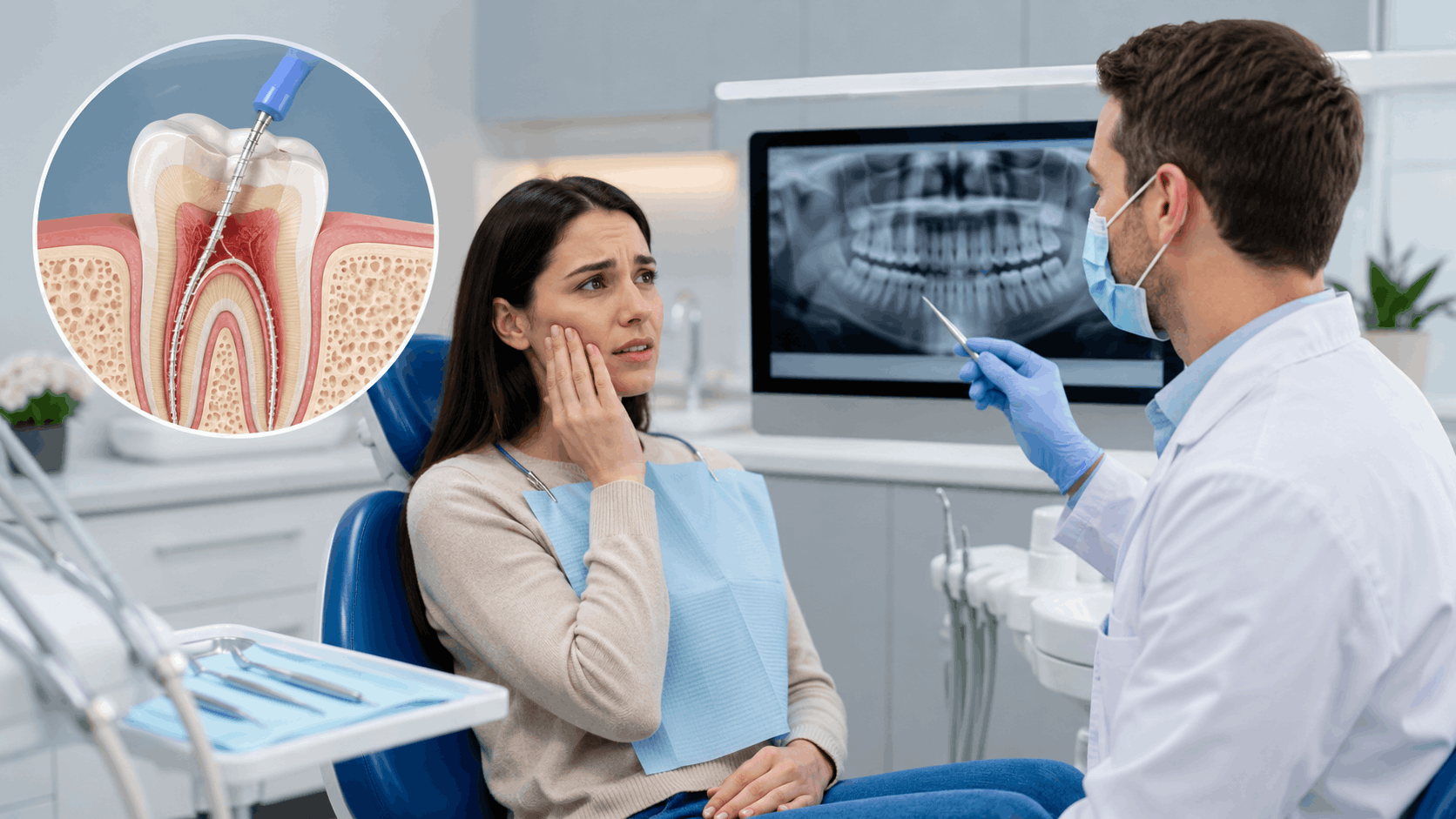
Root canal treatment removes infected or inflamed pulp from inside a tooth. The canals are cleaned, filled, and sealed. This stops infection and helps save the natural tooth. The Canadian Dental Association describes it as a safe and effective dental treatment.
What Happens During Root Canal Treatment?
The dentist examines the tooth and takes X-rays. Local anaesthetic numbs the area. A small opening is made in the tooth. The damaged pulp is removed, and the canals are cleaned and sealed.
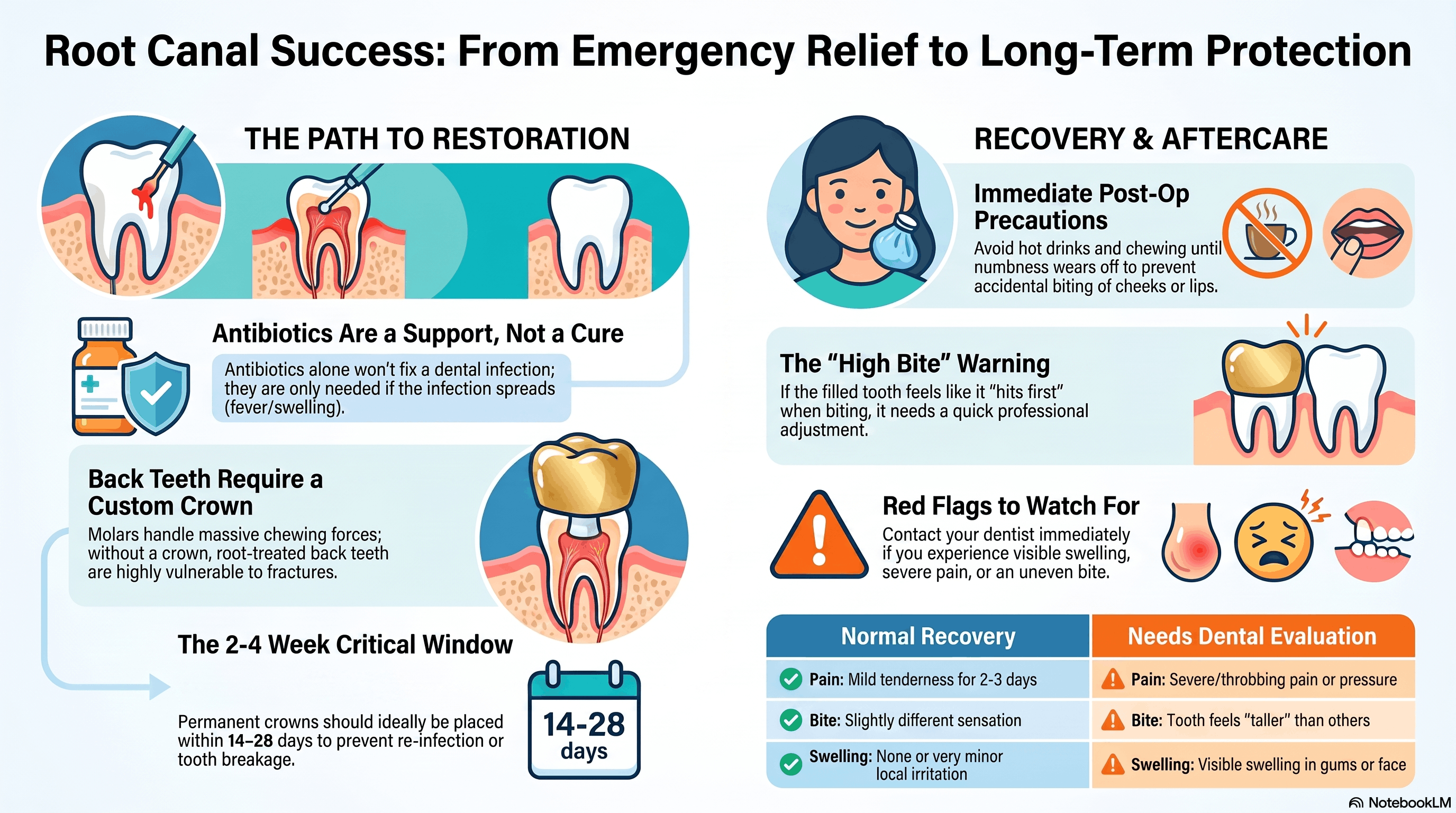
A filling closes the opening. Many back teeth also need a crown after root canal therapy. Molars face strong chewing forces. A crown helps protect the remaining tooth from cracks.
Is Root Canal Treatment Safe?
Yes. Modern root canal treatment is considered safe and highly successful.
A systematic review found that about 86% to 93% of treated teeth survived for 2 to 10 years. Another study reported about 95% survival after four years. Results depend on the tooth, infection, final restoration, and oral hygiene.
The American Association of Endodontists reports that millions of teeth are treated and saved through root canal procedures each year.
Common Short-Term Side Effects
Mild Pain or Tenderness
The tooth may feel sore when you bite. The gum may also feel tender. The tissues around the root may have already been inflamed. Treatment can briefly irritate them.
The discomfort should improve each day. Many people feel better within a few days. The Canadian Dental Association says tenderness may last for one or two weeks. Severe or increasing pain is not normal.
Mild Swelling
A small amount of swelling near the tooth may occur. It should not keep growing.
Call your dentist if swelling spreads into your cheek, jaw, eye area, or neck. Seek urgent help if it becomes hard to breathe or swallow.
Temporary Numbness
Your lips, cheek, tongue, or jaw may stay numb for several hours because of the anaesthetic. Avoid eating until normal feeling returns.
Contact the dental office if numbness lasts much longer than expected.
Jaw Soreness
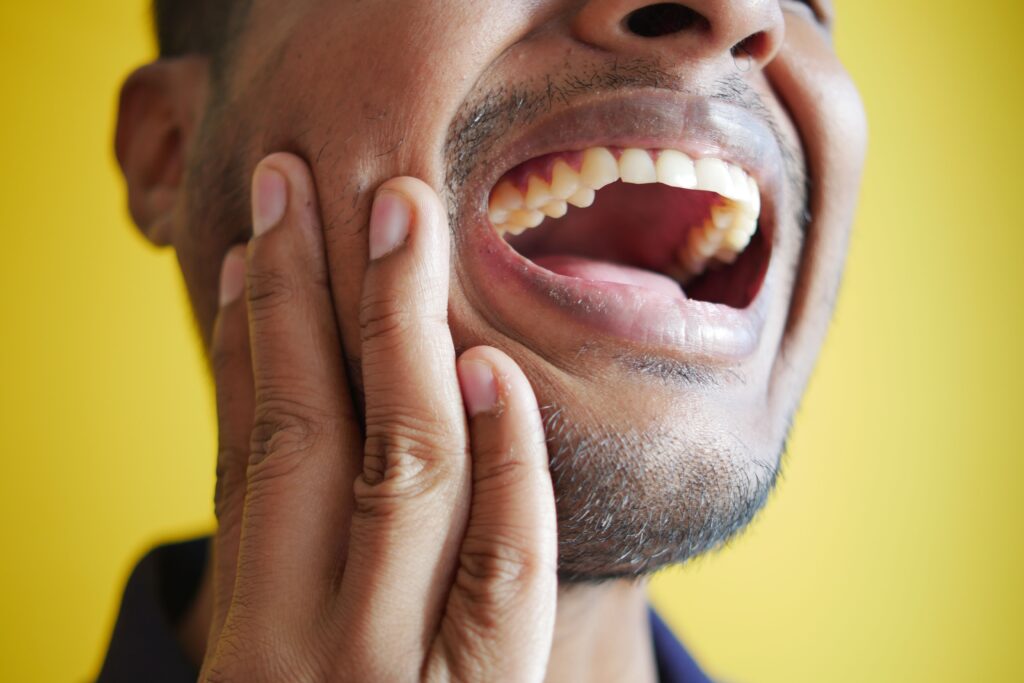
Your jaw may feel tired or stiff after staying open during treatment. Rest and gentle movement may help. Tell your dentist if you cannot open your mouth normally.
An Uneven Bite
The treated tooth may feel taller than the others. A temporary filling or crown may be slightly high.
Extra pressure can keep the tooth sore. A root canal Brampton dentist can often correct the bite with a simple adjustment.
Less Common Problems
Reinfection
A tooth can become infected again. A narrow canal may have been difficult to find. A filling or crown may later leak. New decay or a crack can also let bacteria enter.
Signs include returning pain, swelling, a gum pimple, pus, bad taste, or fever. Treatment may involve root canal retreatment, surgery, or extraction.
Tooth Fracture
Root canal therapy does not automatically make a tooth brittle. However, teeth that need it often have large cavities, cracks, or old fillings. Much of the original tooth may already be missing.
This is why the final restoration matters. A needed crown helps protect a weak back tooth. Delaying it may increase the chance of fracture. Studies have found that crown placement is an important factor in the survival of root canal-treated teeth.
Tooth Discolouration
A treated tooth may darken over time. This is more noticeable in front teeth. It is usually a cosmetic concern rather than a sign of danger.
Internal whitening, bonding, a veneer, or a crown may improve the colour. The dentist must first confirm that the tooth is healthy.
Persistent Pain
Long-term pain is uncommon. A systematic review estimated that about 5.3% of patients had pain around the tooth lasting six months or longer after root canal therapy.
The treated tooth is not always the cause. Pain may come from a crack, another tooth, the jaw joint, nearby muscles, or a nerve condition. A careful diagnosis is important before more dental work is performed.
Root Canal Treatment or Dental Implants?
Saving a natural tooth is often preferred when it can be restored. It keeps your natural bite and avoids leaving a gap.
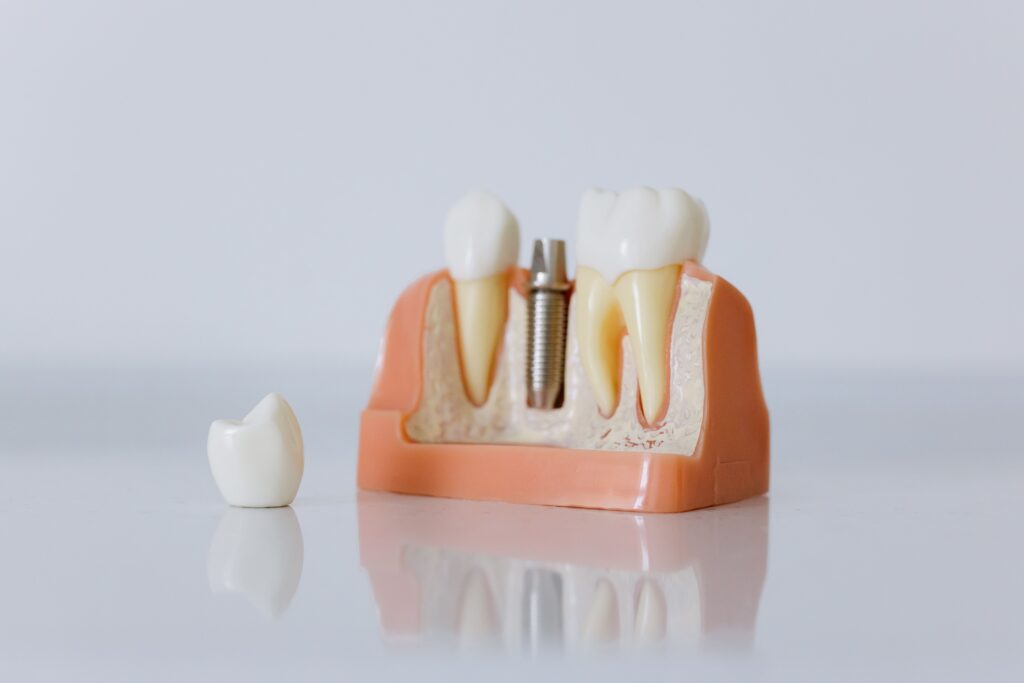
Dental implants are useful when a tooth cannot be saved. However, an implant requires tooth removal and a separate replacement procedure. Healing may take several months. Some patients may also need bone grafting.
The best choice depends on the crack, bone support, infection, remaining tooth structure, and long-term outlook. Ask your dentist to compare root canal treatment and dental implants before deciding to remove the tooth.
How to Reduce Side Effects
Follow your dentist’s instructions. Avoid chewing while your mouth is numb. Use the other side until the permanent filling or crown is placed.
Brush and floss gently. Do not delay your final restoration. Attend follow-up visits so the dentist can check your bite, healing, and seal.
Tell the dentist about allergies, medical conditions, and medicines. Take pain medicine only as directed.
Ask your root canal dentist in Brampton when you should return for your crown, bite check, or follow-up X-ray.
People Also Ask
How long does pain last after root canal treatment?
Mild soreness often improves within a few days. Some tenderness may last for one or two weeks. Pain that becomes worse, returns, or does not improve should be checked.
What are the signs of a failed root canal?
Possible signs include returning pain, swelling, a gum pimple, pus, bad taste, fever, or pain while biting. Follow-up X-rays may sometimes find a problem before strong symptoms appear.
Can a root canal cause other health problems?
Reliable dental and cancer organizations report no evidence that root canals cause cancer or illness elsewhere in the body. The procedure is used to remove infection and seal the tooth.
Does every root canal tooth need a crown?
No. A front tooth with enough healthy structure may sometimes need only a filling. Back teeth often need crowns because they handle stronger chewing pressure.
Can I work after root canal therapy?
Many people return to work or school on the same day. Your mouth may remain numb for several hours. Avoid eating until the numbness is gone.
Frequently Asked Questions
1. Can I eat after treatment?
Wait until normal feeling returns. Choose soft foods and chew on the other side. Avoid hard or sticky foods until the permanent restoration is placed.
2. Is swelling normal?
Minor swelling near the tooth can occur. Large, spreading, or worsening swelling needs prompt dental care.
3. Why does the tooth hurt when I bite?
The tissues around the root may still be healing. The filling may also be slightly high. Call your dentist if the pain is not improving.
4. Can the infection return years later?
Yes. New decay, a crack, a loose filling, or a damaged crown may allow bacteria to re-enter the tooth.
5. Will antibiotics cure an infected tooth?
Antibiotics may help control an infection that is spreading. However, they cannot remove infected pulp from inside the tooth. Dental treatment is usually still required.
6. When is the problem urgent?
Seek urgent care for severe pain, facial swelling, fever, pus, trouble breathing or swallowing, or signs of an allergic reaction.
Protect Your Natural Tooth
Most side effects after root canal treatment are temporary. The greater danger may be delaying care while an infection continues to damage the tooth and nearby bone.
If you have ongoing tooth pain, swelling, temperature sensitivity, or pain while biting, book a consultation with Dr. Seema Shetty at SmileMakers Dental in Brampton. With more than 20 years of dental experience, Dr. Shetty can examine your tooth, explain whether root canal therapy is suitable, and help you choose the safest way to protect your natural smile.