


Traditional Braces
Invisalign

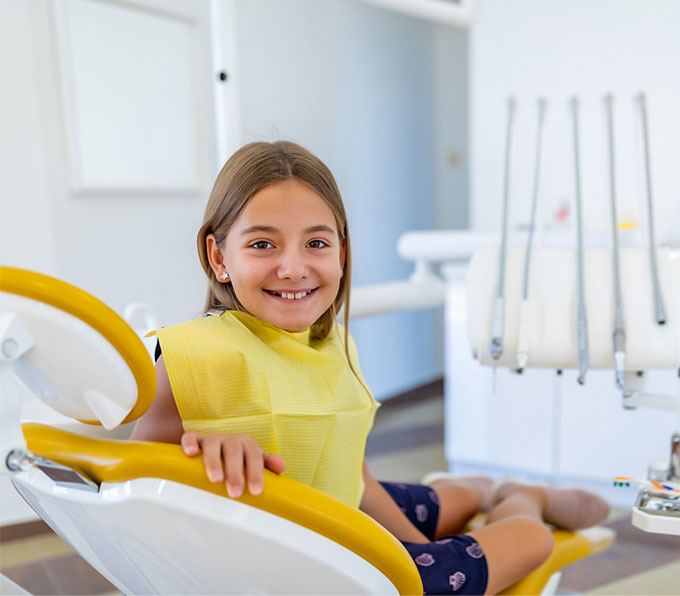
Phase 1 (‘Interceptive’) Orthodontic Treatment
Frequently Asked Questions on Orthodontics:
What is orthodontics?
Orthodontics is a type of dentistry focused on correcting crooked teeth, crowding, spacing, and bite problems (overbite, underbite, crossbite) using braces or clear aligners.What problems can orthodontic treatment fix?
Orthodontics can improve teeth alignment, correct jaw/bite issues, reduce uneven tooth wear, and make brushing/flossing easier—helping prevent cavities and gum disease.When should a child have their first orthodontic evaluation?
Many families book an orthodontic checkup in the early school years to spot crowding or bite issues early. Even if treatment isn’t needed yet, early monitoring helps plan the best timing.Is orthodontics only for kids and teens?
No. Adult orthodontics is very common. Adults often choose clear aligners for discreet treatment, while braces may be recommended for more complex movements.Braces vs clear aligners: which is better?
Clear aligners are removable and less noticeable, but results depend on consistent wear. Braces can be better for complex tooth movements and don’t rely on wear-time compliance.How long does orthodontic treatment take?
Treatment time depends on case severity and the appliance used. Mild alignment issues may take less time, while bite correction and more complex cases typically take longer.Do braces hurt?
You may feel soreness or pressure for a few days after getting braces and after adjustments. Soft foods, orthodontic wax, and over-the-counter pain relief (if appropriate) can help.How do I clean my teeth with braces?
Brush carefully around brackets and the gumline, floss daily using floss threaders or a water flosser, and consider interdental brushes. Good hygiene helps prevent white spot lesions and gum inflammation.How much do braces or clear aligners cost in Canada?
Costs vary by province, complexity, and treatment type (metal braces, ceramic braces, clear aligners). A consultation with records (photos/scan/X-rays) gives the most accurate quote.Will I need a retainer after orthodontics?
Yes. Retainers help prevent teeth from shifting back. Many patients wear retainers full-time at first, then transition to nighttime wear long-term to maintain results.