
Brampton
Root Canal Dentist in Brampton
If you’ve landed on this page searching for a **root canal dentist in Brampton**, chances are something doesn’t feel right with one of your teeth. Maybe it’s a dull ache that won’t go away. Maybe it’s a sharp pain when you bite.
- Home
Date
- 24.01.26
If you’ve landed on this page searching for a root canal dentist in Brampton, chances are something doesn’t feel right with one of your teeth. Maybe it’s a dull ache that won’t go away. Maybe it’s a sharp pain when you bite. Or maybe your dentist mentioned the words “root canal” and now you’re wondering what that really means.
Let’s slow things down and talk honestly—without scare tactics, medical jargon, or sugar-coating.
Root canal treatment isn’t something people look forward to, but it’s also not the nightmare it’s often made out to be. In fact, for many Brampton patients, it ends up being the moment they finally feel relief.
What Is a Root Canal, Really?
A root canal isn’t about drilling more than necessary or doing something extreme. It’s about cleaning an infection that’s already inside your tooth.
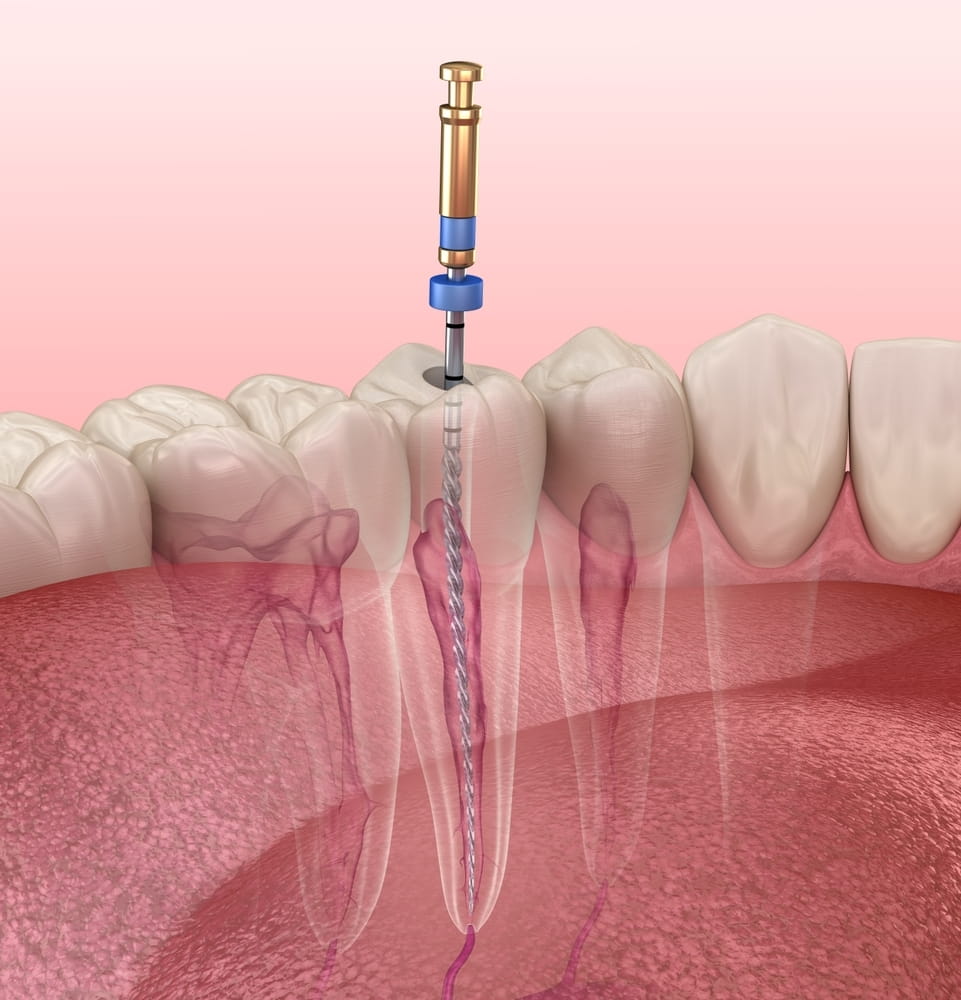
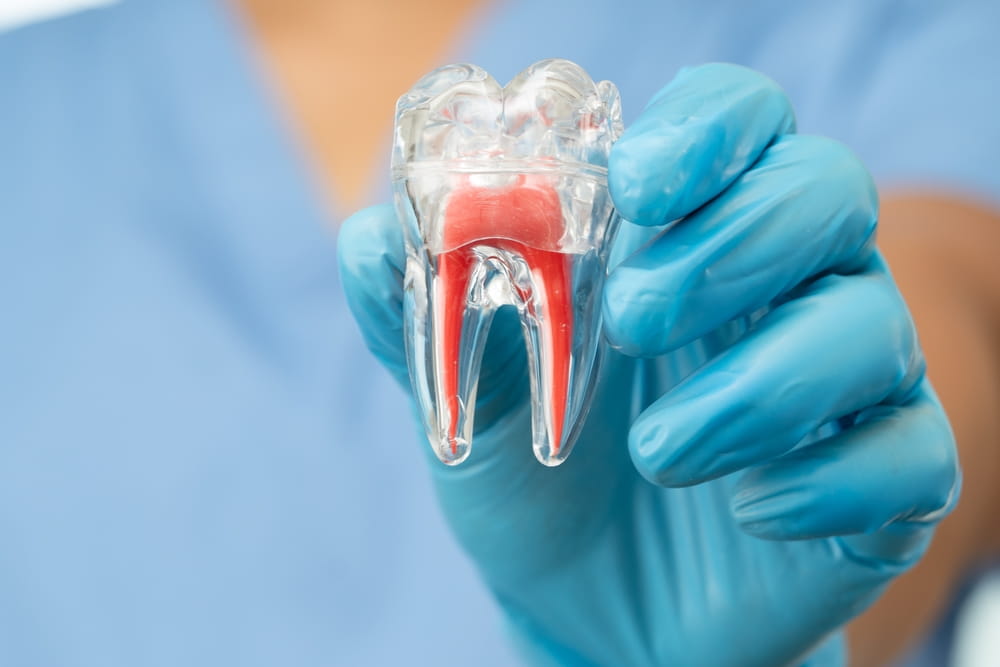
Inside every tooth is a soft area called the pulp. That pulp contains nerves and blood vessels. When bacteria reach it—usually from a deep cavity, a crack, or an old filling—the tissue becomes inflamed or infected. That’s when pain starts.
A root canal simply removes that infected tissue, cleans the space, and seals it so bacteria can’t come back in.
The goal is simple:
Save your natural tooth and stop the infection from spreading.
Does a Root Canal Hurt?
This is the question almost every patient in Brampton asks first—and understandably so.
Here’s the honest answer:
The infection hurts. The root canal usually doesn’t.
With modern freezing techniques, most people feel little more than pressure during the procedure. Many patients say it feels similar to getting a regular filling—sometimes even easier because the pain they came in with is finally gone.
If someone had a painful experience years ago, it’s usually because:
- The infection was advanced
- Dental technology was less refined
- Freezing techniques weren’t what they are today
Dentistry has changed a lot. Root canals have changed with it.
How Do You Know If You Actually Need One?
Some teeth are loud when they’re in trouble. Others are quiet.
You might need a root canal if you notice:
- Ongoing tooth pain, especially when chewing
- Sensitivity to hot or cold that lingers
- Swelling or tenderness near the gums
- A tooth that looks darker than the others
- A small bump or pimple on the gums
But here’s something many people don’t realize:
Not all infected teeth hurt right away.
In Brampton clinics, dentists often catch infections during routine X-rays—before the pain starts. Treating it early usually means a smoother appointment and a better long-term outcome.
What Happens During a Root Canal Appointment?
No surprises here—knowing what to expect helps most people relax.
A typical root canal visit includes:
- Thorough freezing of the area
- Isolating the tooth to keep it clean and dry
- Removing the infected tissue inside the tooth
- Cleaning and disinfecting the canals
- Sealing the tooth so bacteria can’t re-enter
Depending on the tooth, this may be done in one visit or split into two. Molars take longer because they have more roots. Front teeth are usually quicker.
Your dentist will walk you through what’s happening as they go—no guessing required.
How Long Does the Appointment Take?
Most root canals in Brampton take about one to one and a half hours.
The exact time depends on:
- Which tooth is being treated
- How many roots it has
- How advanced the infection is
- Whether it’s a first treatment or a retreatment
It’s not rushed, but it’s also not an all-day affair.
What About Cost? How Much is a Root Canal in Brampton?
There’s no single flat fee because every tooth is different.
The cost depends on things like:
- Tooth location (front vs back)
- Number of roots
- Complexity of the infection
- Whether a crown is needed afterward
Most dental insurance plans in Canada cover part of the cost, especially when the treatment is necessary to save the tooth. A Brampton dental office can usually provide a detailed estimate and help you understand what your plan covers before starting.
Is Pulling the Tooth Easier Than a Root Canal?
It might sound simpler—but in the long run, it often isn’t.
Removing a tooth can lead to:
- Shifting of nearby teeth
- Bite problems
- Bone loss in the jaw
- The need for an implant or bridge later
A root canal keeps your natural tooth in place, which is usually better for chewing, appearance, and long-term oral health.
If a tooth truly can’t be saved, your dentist will tell you. But when saving it is an option, it’s often worth it.
Do You Always Need a Crown After a Root Canal?
Not always—but often.
Back teeth do most of the chewing, so they’re more likely to crack after a root canal without a crown. Front teeth don’t handle the same pressure and sometimes only need a filling.
Your dentist will recommend what makes sense for your specific tooth—not a blanket rule.
How Long Will a Root Canal–Treated Tooth Last?
When done properly and protected with the right restoration, a root canal–treated tooth can last many years, sometimes even a lifetime.
The key factors are:
- Getting the recommended crown or filling
- Good oral hygiene at home
- Regular dental checkups
- Avoiding habits like chewing ice or hard objects
A root canal isn’t a temporary fix—it’s meant to last.
Should I See a Specialist or is a General Dentist Enough?
Many general dentists in Brampton perform root canals regularly and very successfully.
You might be referred to a specialist if:
- The tooth has unusual anatomy
- The infection is severe
- A previous root canal needs retreatment
If a referral is needed, it’s about getting the best result—not passing you off.
What Does Recovery Feel Like?
Most people feel mild soreness for a day or two—nothing extreme.
You can usually:
- Go back to work the same day
- Eat normally once the freezing wears off (avoiding hard foods on that side initially)
- Manage discomfort with over-the-counter medication
Severe pain or swelling isn’t normal. If that happens, your dentist will want to know right away.
Can a Root Canal Ever Fail?
It’s rare, but it can happen.
Common reasons include:
- Hidden canals that weren’t visible initially
- New decay forming later
- Delaying the final crown
- Cracks developing in the tooth over time
If symptoms return, there are still options. The earlier it’s addressed, the easier it usually is to manage.
Choosing the Right Root Canal Dentist in Brampton
When looking for care, don’t just focus on price or availability. Pay attention to:
- How clearly things are explained
- Whether you feel rushed or listened to
- The clinic’s experience and technology
- Reviews from other local patients
A good dentist doesn’t just treat the tooth—they make sure you understand what’s happening and why.
Final Thoughts
Needing a root canal can feel overwhelming, especially if you’re already in pain. But for most Brampton patients, it ends up being a turning point—the moment discomfort stops and normal life resumes.
Root canal treatment today is about comfort, preservation, and long-term health. So, book a consultation with SmileMakers now.
If you’re dealing with tooth pain or have been told you need a root canal, getting clear information is the first step. The right care makes all the difference.
Root Canal Dentist in Brampton – Local FAQs
How much does a root canal cost in Brampton, Ontario?
The cost of a root canal in Brampton depends on the tooth being treated and how complex the infection is. Front teeth usually cost less than molars. Most dental insurance plans in Canada cover a portion of root canal treatment when it’s medically necessary.
Is a root canal painful with a dentist in Brampton?
No, root canal treatment is not painful for most Brampton patients. With modern freezing and technology, the procedure feels similar to getting a filling. In fact, many patients feel relief right after treatment because the infected nerve causing pain is removed.
How long does a root canal appointment take in Brampton?
A root canal appointment in Brampton typically takes between 60 and 90 minutes. Front teeth often take less time, while molars with multiple roots may take longer. Some cases are completed in one visit, while others may require two appointments.
Do I need a crown after a root canal?
In most cases, yes—especially for back teeth. Molars handle strong chewing forces and can become brittle after a root canal. A crown helps protect the tooth from cracking and extends its lifespan. Front teeth may not always need a crown.
Can I go to work after a root canal?
Yes, most Brampton patients return to work or normal activities the same day. You may feel mild soreness once the freezing wears off, but it’s usually manageable with over-the-counter pain relief and doesn’t interfere with daily routines.
How urgent is a root canal if I have tooth pain?
A root canal should be treated as soon as possible once infection is diagnosed. Delaying treatment can allow the infection to spread, increasing pain, swelling, and the risk of tooth loss. Early treatment often means a simpler procedure and better long-term results.
Can antibiotics fix a tooth infection without a root canal?
No. Antibiotics may temporarily reduce symptoms, but they cannot remove infected tissue inside the tooth. A root canal is the only way to properly clean the infection and prevent it from returning.
What happens if I avoid a root canal?
Avoiding a needed root canal can lead to worsening pain, swelling, abscess formation, and bone loss around the tooth. In many cases, delaying treatment results in tooth extraction, which may require more complex and costly replacement options later.
Is it better to pull a tooth instead of getting a root canal?
Saving your natural tooth is usually the better option. A root canal helps preserve your bite, jawbone, and surrounding teeth. Tooth extraction can lead to shifting teeth and may require an implant or bridge to restore function.
Should I see an endodontist or a general dentist in Brampton?
Many general dentists in Brampton perform root canals successfully. You may be referred to an endodontist if the tooth has complex roots, severe infection, or requires retreatment. Your dentist will recommend the best option based on your case.
How long does a root canal–treated tooth last?
With proper care and restoration, a root canal–treated tooth can last many years or even a lifetime. Regular dental checkups, good oral hygiene, and getting a crown when recommended all help extend the life of the tooth.
Are root canals safe?
Yes, root canal treatment is a safe and well-established dental procedure. It helps eliminate infection, relieve pain, and prevent bacteria from spreading to surrounding teeth or the jawbone.
PrevPrevious
NextNext
More articles
Root Canal Treatment Side Effects: Things You Must Know Beforehand
July 13, 2026
Tooth Filling Price in Brampton: What Affects the Cost of Treating a Cavity?
July 8, 2026
Emergency Walk-In Dentist in Brampton: What to Do When Dental Pain Can’t Wait
June 19, 2026
Ready to smile?
Book with a Brampton dentist you can trust
Free consultations · Direct insurance billing · Same-day emergencies