
Brampton
Affordable Dental Implants in Brampton
You type **“cheap dental implants near me”** into Google because you want a smart deal.
- Home
Date
- 12.03.26
You type “cheap dental implants near me” into Google because you want a smart deal.
That makes sense.
Dental implant treatment is a big decision. It is also a big investment. So of course the lower price catches your eye first.
But here is the problem.
When it comes to implants, “cheap” can sometimes mean “incomplete,” “rushed,” or “missing something important.” And that can get very expensive later.
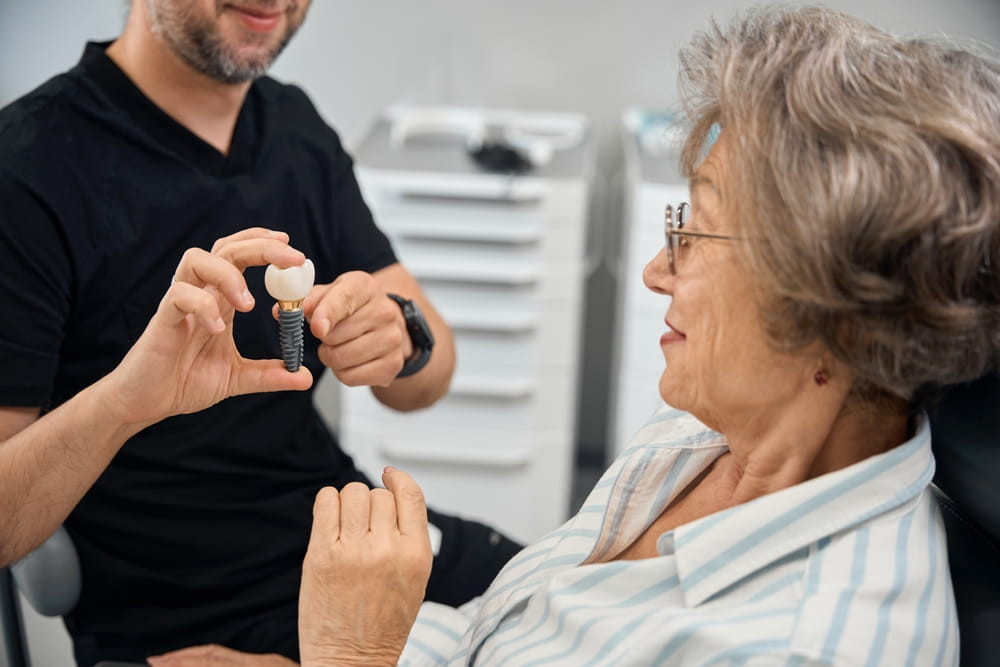
Dental implants can work very well for the right patient and the right plan. Long-term reviews have reported strong survival rates, including about 96.4% survival at 10 years in one systematic review.
But that success depends on proper case selection, planning, surgical execution, and maintenance.
So the real question is not just:
“How do I find cheap dental implants near me?”
It is:
“How do I avoid the kind of cheap that creates bigger problems later?”
If you are in Brampton and comparing options, here are five red flags worth paying attention to before you commit.
Why low-price implant ads can be misleading
An implant quote is not always apples to apples.
One office may advertise a very low number, but that number may only cover part of the process. Another office may include imaging, consultation, surgery, and the final restoration in a more complete treatment estimate.
That is why the cheapest ad is not always the lowest real cost.
Dental implants are not just one item. They usually involve:
- exam and diagnostics
- imaging
- treatment planning
- implant placement
- healing period
- abutment and crown
- follow-up care
- maintenance
If the ad highlights just one part and leaves out the rest, the “deal” may not be a deal at all.
Red Flag #1: The price sounds too simple
Be careful when the ad says something like:
- “Implants from $499”
- “One low implant price”
- “Best price guaranteed”
- “Same-day implant special”
The problem is not that affordable care is bad. The problem is when the price is stripped of context.
Implant treatment often varies based on bone quality, gum health, number of missing teeth, the need for extraction, and whether grafting is required. A one-size-fits-all number should make you pause.
A quality provider should tell you exactly what is included and what is not.
Ask these questions:
- Does the fee include the implant post?
- Does it include the abutment and crown?
- Does it include CBCT or other imaging?
- Does it include follow-up visits?
- What happens if I need grafting?
If those answers are vague, that is a warning sign.
Red Flag #2: They skip proper diagnostics or rush planning
This is a big one.
Implants are not something you want planned by guesswork.
A proper implant workup usually involves a full clinical exam and appropriate imaging to evaluate bone, neighboring teeth, bite, anatomy, and risk factors. If a clinic seems ready to give you a “discount implant” without a careful diagnostic process, that is not efficiency. That is risk.
Why does this matter?
Because implant success is not just about placing a post into bone. It is about placing it in the right position, with the right support, for the right patient, under the right conditions.
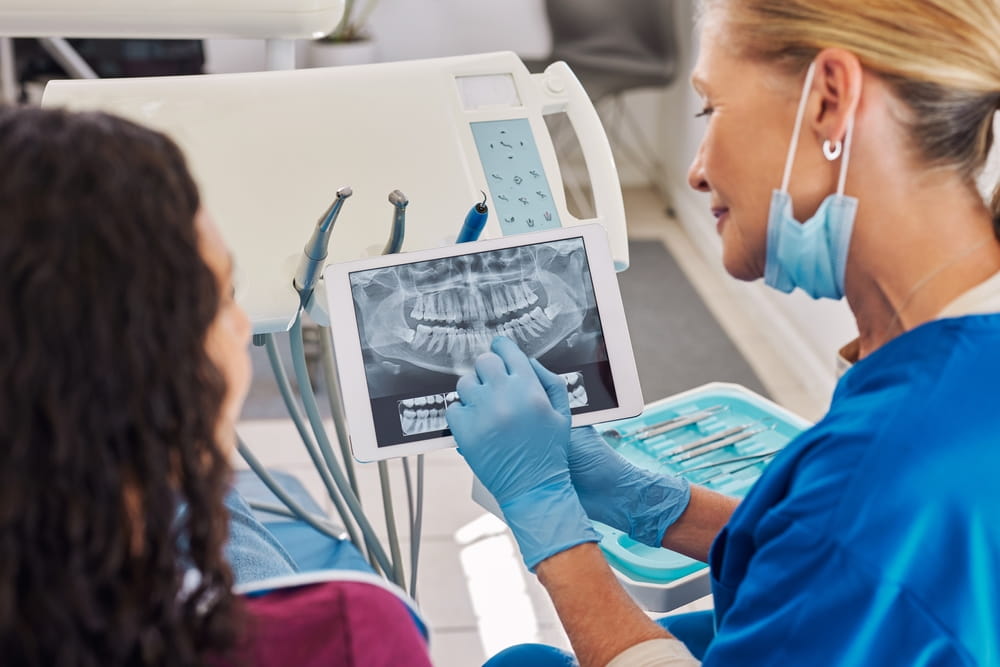
Research also shows that implant treatment should be chosen thoughtfully.
A systematic review found that implant survival rates do not necessarily exceed the survival of adequately treated and maintained natural teeth, which means the decision to extract a tooth and replace it with an implant should be made cautiously.
In plain English: a good dentist does not jump straight to “implanting teeth” just because the procedure is profitable or trendy.
They ask whether the tooth can be saved first by reviewing the bone and gum condition closely that further enables them to explain your options clearly.
If that process feels rushed, walk away.
Red Flag #3: Nobody talks to you about risk factors
A cheap implant quote without a serious conversation about risks is not reassuring. It is incomplete.
Some patients are excellent implant candidates. Some need extra care. Some need to stabilize other oral health issues first.
For example, smoking is a major risk factor. One JADA summary of evidence highlights that smoking increases the risk of implant failure, and a meta-analysis cited there found notably higher failure risk in smokers.
Peri-implantitis is another concern. A 2022 systematic review estimated peri-implantitis prevalence at 19.53% at the patient level and 12.53% at the implant level, although prevalence varies depending on how studies define and measure it.
That does not mean implants are unsafe.
It means they need proper planning and proper maintenance.
A trustworthy clinic should ask about:
- smoking or vaping
- gum disease history
- diabetes or other health conditions
- oral hygiene habits
- teeth grinding
- bone loss
- previous dental infections
If the only conversation is about price, and nobody is talking about risk, you are not getting the full picture.
Red Flag #4: They sell implants like they are maintenance-free
This is one of the most common myths.
Implants are durable. They are often an excellent long-term solution. But they are not magic. They still need daily home care and professional maintenance.
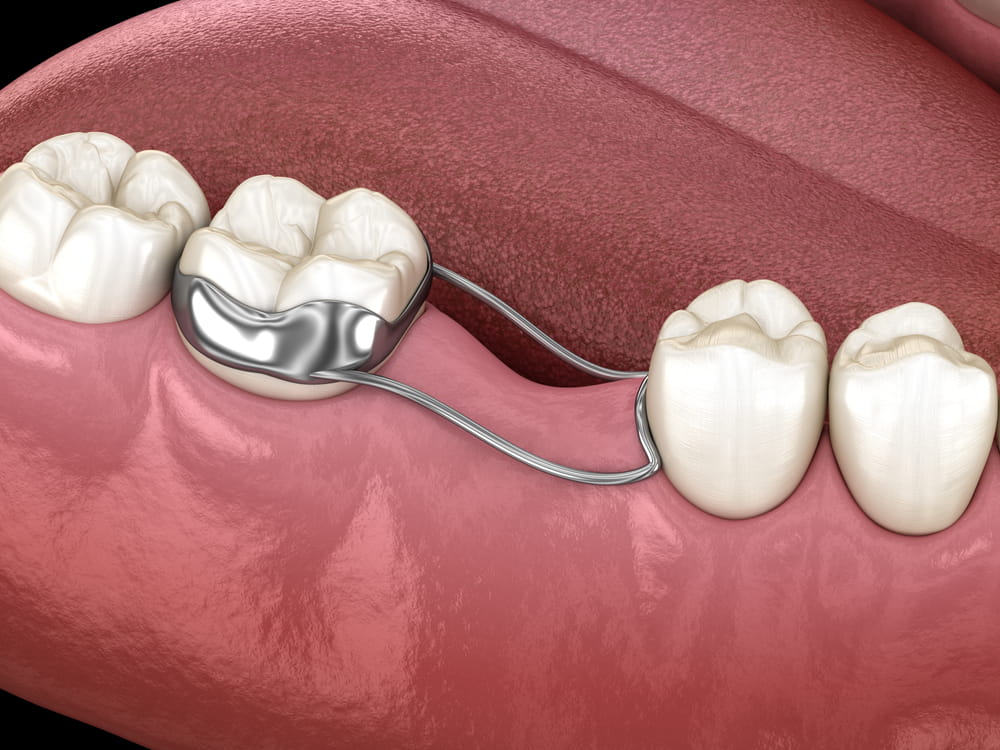
Long-term evidence on single implants shows good predictability over 10 years, but also notes that restoration replacement and regular maintenance should be expected as part of follow-up care.
That matters because some “cheap dental implants near me” promotions make it sound like once the procedure is done, you are done forever.
Not true.
You still need:
- brushing and cleaning around the implant
- regular checkups
- monitoring of gum health
- review of bite pressure and wear
- early attention if something feels loose or sore
A great implant provider will tell you this up front.
They will not oversell.
They will not pretend maintenance does not exist.
They will help you protect your investment.
Red Flag #5: They pressure you before you fully understand the treatment
Fast sales pressure has no place in implant care.
Be cautious if you hear things like:
- “You need to commit today.”
- “This price expires in an hour.”
- “Don’t worry about the details.”
- “We’ll explain after the procedure.”
- “Everyone is a candidate.”
That is not how good clinical decision-making works.
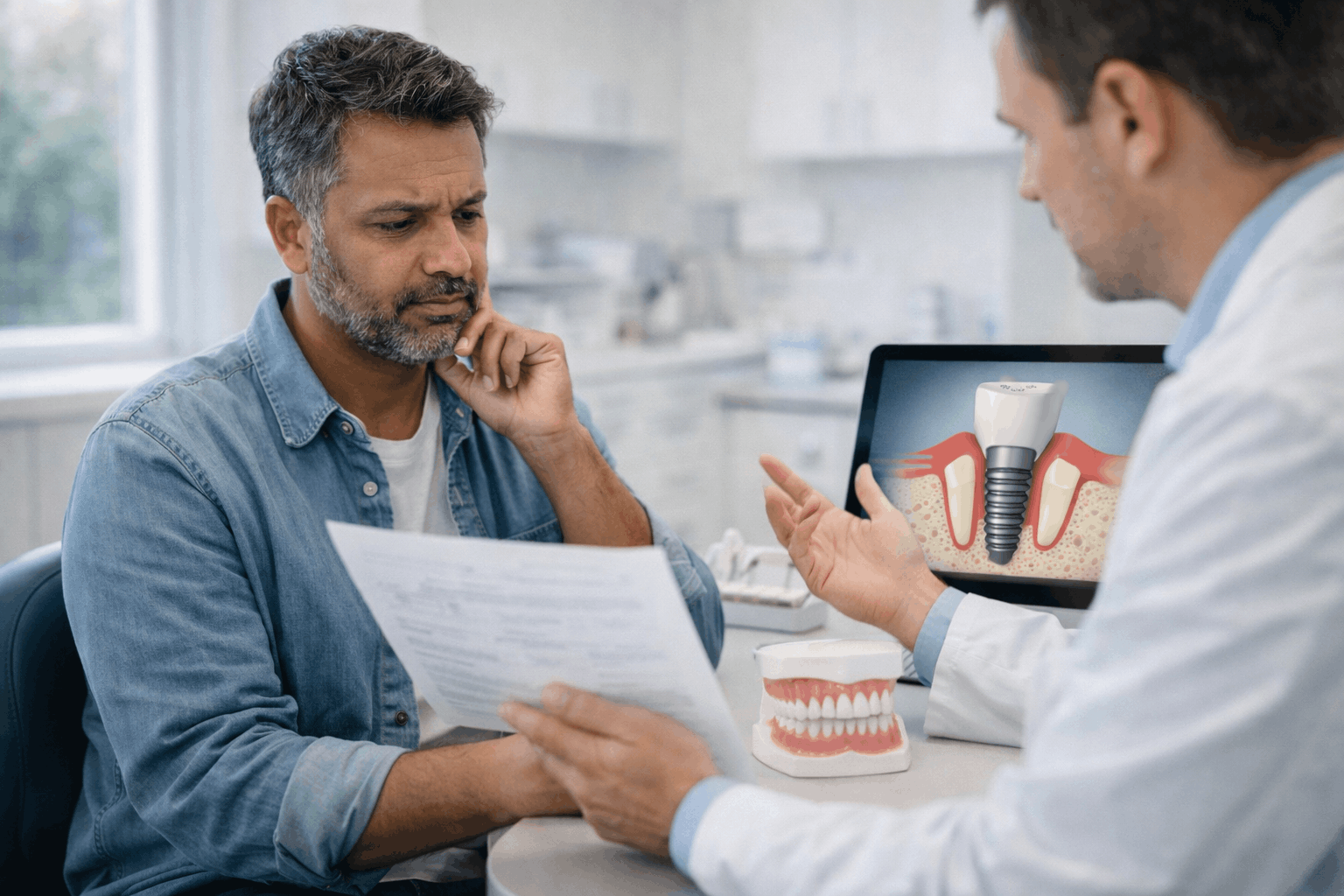
Implants involve surgery, healing, and long-term planning. You should understand:
- why the implant is being recommended
- whether the tooth can be saved
- what the total cost includes
- what can go wrong
- how long healing may take
- what maintenance will be required
Informed consent matters in all dental treatment, especially surgical treatment. If a clinic seems more interested in closing the deal than educating you, that is a red flag.
What “affordable” should look like instead
Affordable is not the same as suspiciously cheap.
A healthy version of affordability looks like this:

- transparent pricing
- clear treatment phases
- realistic expectations
- proper imaging and diagnostics
- honest discussion of risks
- maintenance planning
- no pressure
That is the kind of value patients should want.
Because the cheapest price today can become the most expensive path if it leads to infection, poor fit, re-treatment, or implant failure.
How this connects to everyday dental decision-making
This same principle shows up in other areas of dentistry too.
For example, someone searching dental cleaning price may see a low offer and assume all cleanings are identical. But they are not.
The final care recommendation can depend on tartar buildup, gum health, and what is included in the appointment.
Implants are even more complex than that.
The more serious the treatment, the more dangerous it is to compare on price alone.
And if your issue is actually pain, infection, or a damaged tooth, you may need a different solution first.
Sometimes patients search for implants when the right next step is diagnostic care, endodontic treatment, or restorative treatment from a trusted root canal dentist in Brampton before deciding what to do long term.
That is why the best clinics diagnose first and sell second.
People Also Ask
Are cheap dental implants worth it?
They can be worth it only if the treatment is complete, properly planned, and appropriate for your case. A low advertised number by itself tells you almost nothing. The real value depends on diagnostics, skill, materials, restoration quality, and follow-up care.
Why are some dental implants so much cheaper than others?
Sometimes because the ad only includes part of the procedure. Sometimes because it uses different materials, different lab work, or different planning standards. Sometimes because the restoration is not included. Always ask for a full breakdown.
How long do dental implants last?
Long-term studies show strong performance overall, including about 96.4% survival at 10 years in one systematic review, but longevity depends on factors like maintenance, case selection, smoking status, and oral health.
What causes dental implant failure?
Implant problems can be linked to smoking, poor oral hygiene, peri-implant disease, biomechanical overload, untreated gum disease, or poor planning. Smoking and peri-implantitis are two of the best-known risk factors in the literature.
Can dental implants be done the same day?
In some cases, same-day protocols may be possible, but not every patient is a candidate.
Whether immediate placement or loading is appropriate depends on anatomy, bone support, stability, infection status, and the overall treatment plan. It should never be treated like a one-click bargain offer.
What Brampton patients should remember
If you are comparing implant options in Brampton, here is the simplest advice: Do not shop for implants the way you shop for headphones.
This is healthcare.
This is surgery.
This is long-term function.
A good implant experience should leave you feeling informed, not pressured.

You should know:
- what you are paying for
- what the risks are
- what maintenance will look like
- what alternatives exist
- whether this is truly the right treatment for you
That is what smart dentistry looks like.
Final thoughts: cheap is not always low-cost
The phrase cheap dental implants near me gets clicks because everybody wants to save money.
Fair enough.
But the lowest sticker price is not always the lowest real cost.
When implants are planned well and maintained well, they can be an excellent long-term solution. When corners get cut, they can become a long and frustrating repair story.
So before you say yes to the lowest number, look for the red flags:
- oversimplified pricing
- rushed diagnostics
- no risk discussion
- “maintenance-free” promises
- sales pressure without education
If you want clear guidance on whether implants make sense for your smile, book an online appointment with SmileMakers in 36 Vodden Street East #105 Brampton, ON L6V 4H4 or call the clinic directly.
A proper consultation can help you compare your options honestly and choose the safest, smartest path for your long-term oral health.
PrevPrevious
NextNext
More articles
Root Canal Treatment Side Effects: Things You Must Know Beforehand
July 13, 2026
Tooth Filling Price in Brampton: What Affects the Cost of Treating a Cavity?
July 8, 2026
Emergency Walk-In Dentist in Brampton: What to Do When Dental Pain Can’t Wait
June 19, 2026
Ready to smile?
Book with a Brampton dentist you can trust
Free consultations · Direct insurance billing · Same-day emergencies