
Our Services
General Dentistry in Brampton
Regular dental checkups and cleanings are essential to maintaining a healthy mouth and a beautiful smile. At our clinic, our team of skilled professionals will provide you with a thorough dental examination and cleaning, removing any plaque and tartar buildup and checking for any signs of dental issues.


Check-ups & Cleanings
Regular dental checkups and cleanings are essential to maintaining a healthy mouth and a beautiful smile. At our clinic, our team of skilled professionals will provide you with a thorough dental examination and cleaning, removing any plaque and tartar buildup and checking for any signs of dental issues.
Our checkups and cleanings are designed to be quick, convenient, and comfortable, ensuring optimal oral health is maintained without any unnecessary hassle or discomfort.
Oral Cancer Screening
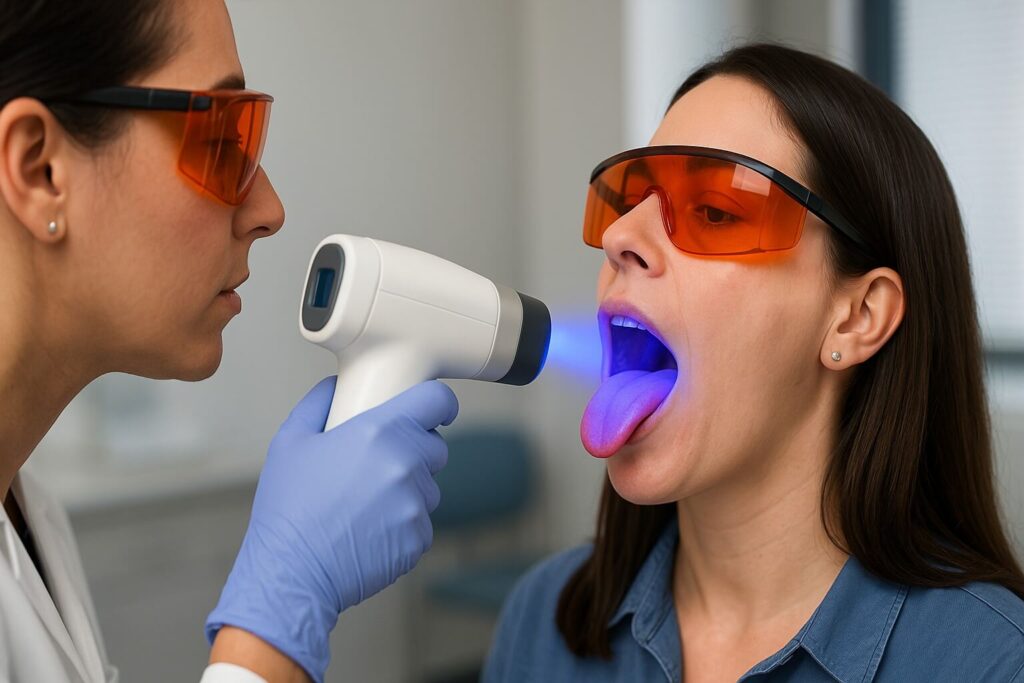
When it comes to your oral health, early detection is key. That’s why we offer oral cancer screenings at our dental clinic, helping you stay healthy and catch any potential issues before they become more serious.
Oral cancer can be a serious and life-threatening condition, but with early detection, it is highly treatable. Our oral cancer screening is a quick, painless, and non-invasive procedure that can help detect any potential issues early, giving you the best possible chance for successful treatment.
Wisdom Tooth Extraction
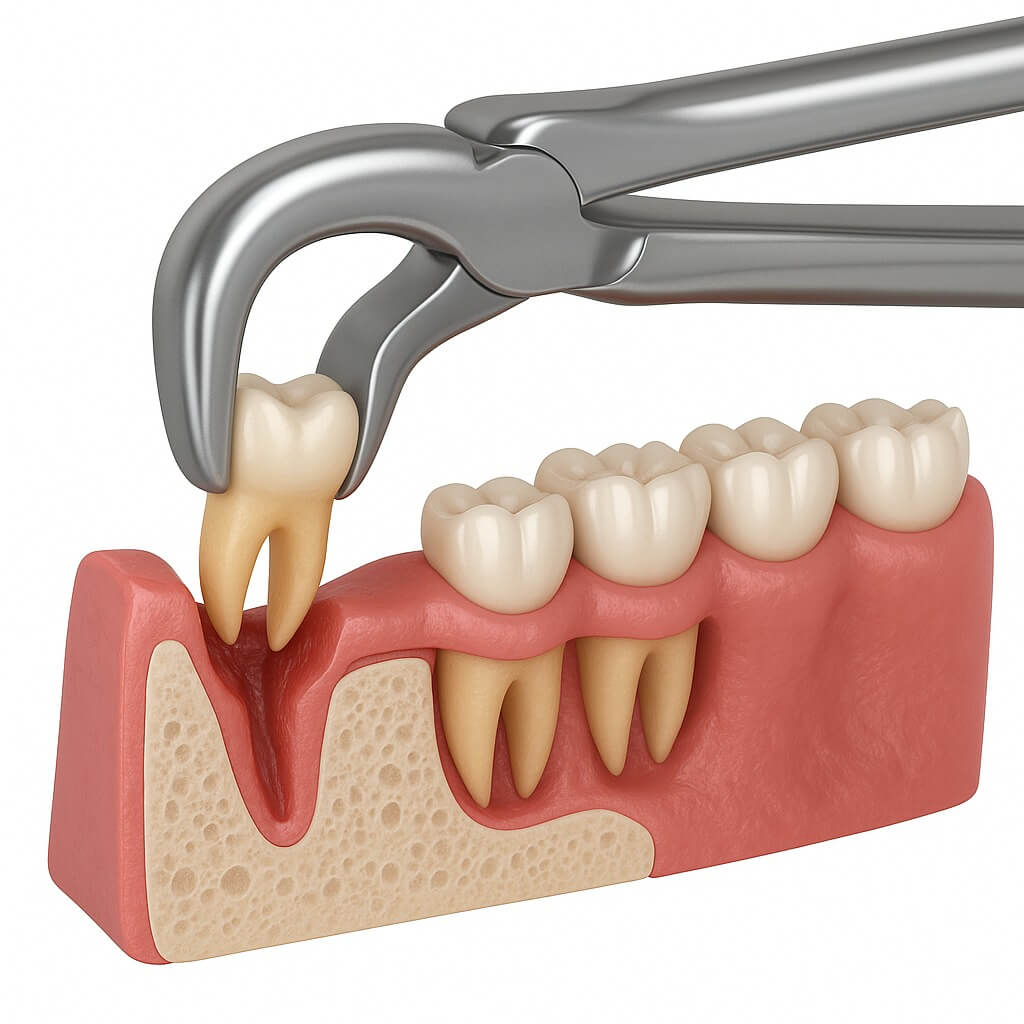
Wisdom teeth, also known as third molars, often cause dental problems due to their location at the back of the mouth and the difficulty in cleaning them properly. This can lead to issues such as decay, infection, gum disease, and even misalignment of other teeth. Fortunately, our skilled professionals can help you safely and effectively remove these problematic teeth. Our goal is to ensure that your wisdom tooth extraction is a seamless and hassle-free experience, so we offer a range of financial options to help you get the care you need on your budget. And after your extraction, our team will provide you with detailed aftercare instructions to ensure a quick and smooth recovery.
Root Canal Therapy
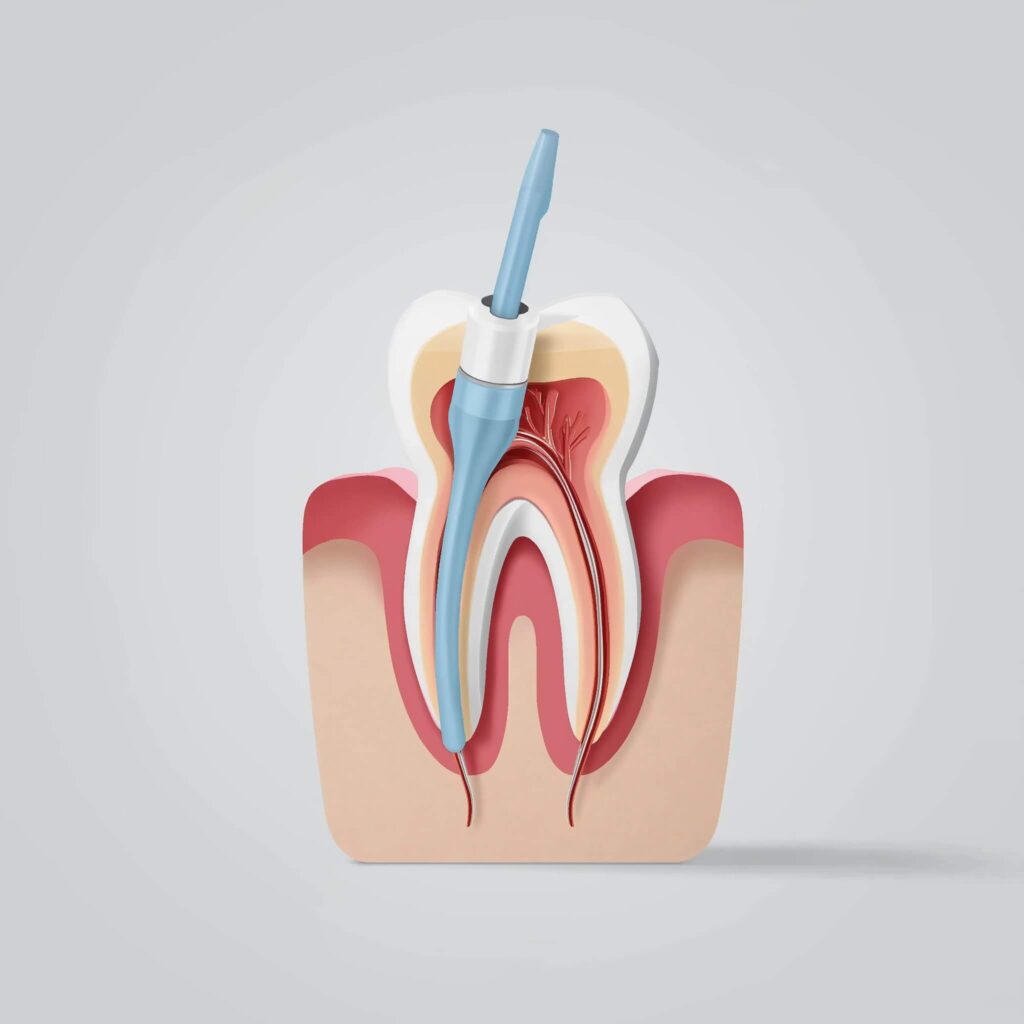
If you’re experiencing severe tooth pain, consider root canal therapy at our dental clinic. Root canal therapy is a common dental procedure that can help save a damaged or infected tooth, preventing the need for more extensive treatments like extraction. At Smile Makers Dental, we understand that the thought of undergoing root canal therapy can be daunting. However, our skilled professionals are here to provide you with a comfortable, stress-free experience. We use the latest technology and techniques to ensure your root canal therapy is as painless and efficient as possible.
Dental Fillings in Brampton
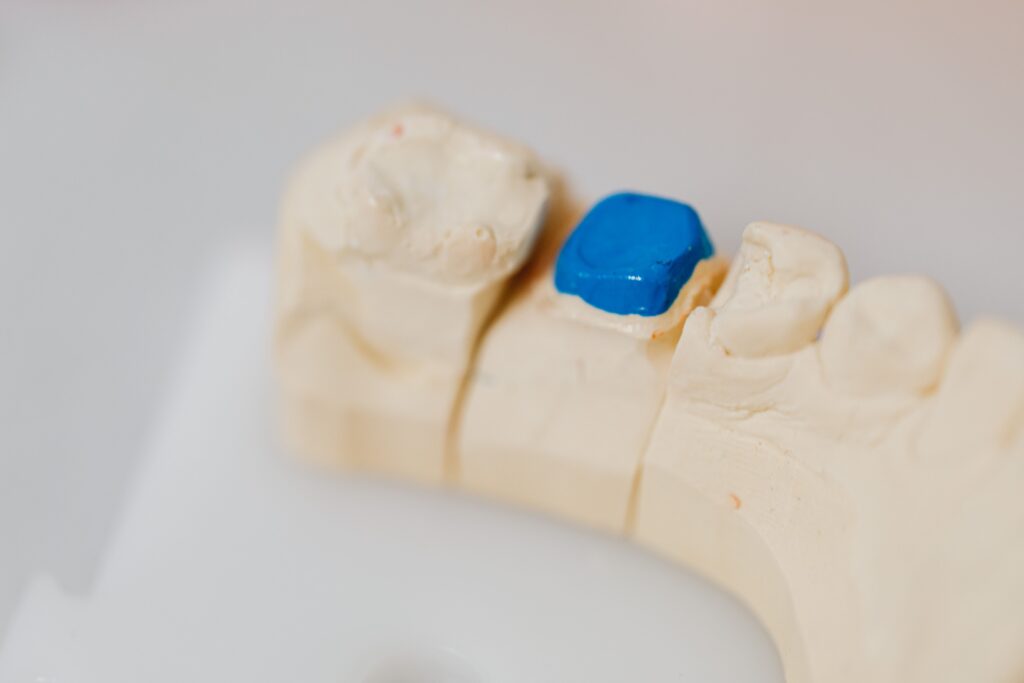
Tooth decay can gradually damage the outer layers of your teeth. If left untreated, a cavity can grow deeper and cause pain, sensitivity, or infection. Dental fillings help restore teeth affected by decay and prevent further damage.
At SmileMakers Dental, dental fillings can help repair cavities and restore the strength and function of affected teeth. Your dentist will examine the damaged tooth and recommend a suitable filling based on the size and location of the cavity.
When Do You Need a Dental Filling?
You may need a dental filling if you experience:
Tooth sensitivity when eating or drinking something hot, cold, or sweet.
Pain when biting or chewing.
Visible holes or dark spots on your teeth.
Food frequently getting stuck in a particular tooth.
A cavity detected during a routine dental examination.
However, cavities do not always cause noticeable symptoms. Regular dental checkups can help identify tooth decay before it becomes more serious.
What Happens During a Dental Filling Procedure?
A dental filling is usually completed in a single appointment. Your dentist first examines the affected tooth and may take an X-ray to determine how far the decay has progressed.
If necessary, local anesthesia is used to keep you comfortable. The dentist then removes the decayed portion of the tooth, cleans the affected area, and fills the space with suitable restorative material.
Composite resin fillings are tooth-coloured and can blend with your natural teeth. Once the filling is placed and shaped, the dentist checks your bite to ensure that the restored tooth feels comfortable.
Why Are Dental Fillings Important?
Treating cavities early can help prevent further tooth damage. A filling restores the tooth’s shape, allows you to chew comfortably, and helps protect the remaining tooth structure.
If you have tooth sensitivity or suspect you have a cavity, schedule a dental examination to find out whether a filling is necessary.
Dental X-rays and Diagnostic Examinations
A regular dental examination helps your dentist identify problems that may affect your teeth and gums. However, some dental conditions develop beneath the surface and cannot be detected through a visual examination alone.
Dental X-rays allow dentists to examine areas that are difficult to see. They help identify cavities between teeth, infections, bone loss, and other problems that may require treatment.
Why Are Dental X-rays Necessary?
Your dentist may recommend dental X-rays to:
Detect cavities between teeth or beneath existing fillings.
Identify infections around tooth roots.
Examine the position of impacted wisdom teeth.
Check the condition of the jawbone.
Assess teeth that have not fully developed or erupted.
Plan certain restorative and surgical procedures.
Dental X-rays are not necessarily required at every appointment. Your dentist will consider your oral health, dental history, symptoms, and risk of developing dental problems before recommending them.
What Happens During a Dental X-ray?
Dental X-rays are generally quick and painless. Depending on the type of image required, your dentist may place a small sensor inside your mouth or use an external imaging machine.
You may be asked to remain still for a few seconds while the image is captured. Your dentist will then review the images to identify any areas that require further examination or treatment.
Are Dental X-rays Safe?
Modern dental X-ray equipment uses relatively low levels of radiation. Dentists follow appropriate safety procedures and recommend imaging when the expected diagnostic benefit justifies it.
If you are pregnant or think you may be pregnant, inform your dentist before having an X-ray. Your dentist can assess whether the imaging is necessary and take appropriate precautions.
How Often Should You Get Dental X-rays?
There is no single schedule that applies to everyone. Patients with a history of cavities or existing dental problems may need X-rays more frequently than those with healthy teeth and gums.
Your dentist will recommend an appropriate schedule based on your individual needs. Regular examinations, supported by dental X-rays when necessary, can help detect problems early.
Gum Disease Screening and Treatment
Healthy gums are essential for maintaining strong teeth. However, plaque buildup can cause gum inflammation and, if left untreated, may lead to periodontal disease.
Gum disease often develops gradually. Early symptoms can be mild, making regular dental examinations important for identifying problems before they progress.
What Are the Common Signs of Gum Disease?
You may have gum disease if you notice:
Red, swollen, or tender gums.
Bleeding while brushing or flossing.
Persistent bad breath.
Gums that appear to be pulling away from your teeth.
Increased tooth sensitivity.
Loose teeth in more advanced cases.
Gum disease does not always cause pain during its early stages. If you notice bleeding gums or other unusual changes, arrange a dental examination.
How Is Gum Disease Treated?
Treatment depends on the severity of the condition.
Gingivitis, the earliest stage of gum disease, can often be managed with professional dental cleaning and improved oral hygiene at home. Your dentist or hygienist removes plaque and tartar buildup and explains how to keep your gums healthy.
More advanced periodontal disease may require scaling and root planing, also known as deep cleaning. This procedure removes plaque and tartar from below the gumline and smooths the tooth roots to help the gums heal.
Some patients may need additional periodontal treatment or referral to a specialist.
How Can You Prevent Gum Disease?
Good oral hygiene plays an important role in preventing gum disease. Brush your teeth twice daily with fluoride toothpaste and clean between your teeth every day.
Regular dental cleanings can also help remove hardened tartar that cannot be eliminated through brushing alone.
Avoiding tobacco and managing conditions that affect gum health can further reduce your risk.
Why Are Regular Gum Examinations Important?
A dentist can assess your gum health by examining the tissues around your teeth and measuring the spaces between your gums and teeth when necessary.
Early detection can help prevent gum disease from progressing and reduce the risk of tooth loss. Regular dental visits also allow your dentist to recommend treatment based on your specific needs.
Dental Crowns for Damaged Teeth
A damaged or weakened tooth may need more protection than a regular filling can provide. Dental crowns are custom-made restorations that cover the visible portion of a tooth to restore its shape, strength, and function.
Your dentist may recommend a crown if a tooth has extensive decay, a large filling, or significant damage.
When Do You Need a Dental Crown?
Dental crowns may be recommended in several situations, including:
A tooth with extensive decay that cannot be restored with a regular filling.
A cracked or weakened tooth that needs additional protection.
A tooth that has undergone root canal treatment.
A severely worn tooth that needs restoration.
A dental implant that requires a crown to replace a missing tooth.
Your dentist will examine the affected tooth and determine whether a crown is appropriate.
What Happens During a Dental Crown Procedure?
Getting a dental crown usually involves more than one appointment, depending on the type of crown and the treatment plan.
During the first appointment, your dentist examines the tooth and prepares it for the restoration. This may involve removing damaged areas and reshaping the remaining tooth.
An impression or digital scan is then taken to help create a crown that fits your tooth. A temporary crown may be placed while the permanent restoration is being prepared.
At a subsequent appointment, the permanent crown is checked for fit, appearance, and bite alignment before being secured in place.
What Are the Benefits of Dental Crowns?
Dental crowns can help restore a tooth’s strength and chewing function. They also cover and protect weakened tooth structure, helping reduce the risk of further damage.
Crowns can be made from different materials, including porcelain, ceramic, and metal-based materials. Your dentist will explain the available options based on the tooth’s location, functional needs, and appearance.
How Do You Care for a Dental Crown?
A crowned tooth still needs regular brushing, flossing, and dental examinations. Pay particular attention to cleaning around the gumline, where plaque can accumulate.
Avoid chewing hard objects that could damage the crown. If your crown feels loose, becomes damaged, or causes discomfort, contact your dentist for an assessment.
Preventive Dental Treatments
Preventive dentistry focuses on keeping your teeth and gums healthy before serious dental problems develop. In addition to regular checkups and professional cleanings, certain treatments can help reduce your risk of tooth decay.
Your dentist may recommend preventive treatments based on your age, oral health, and likelihood of developing cavities.
Fluoride Treatments
Fluoride is a mineral that helps strengthen tooth enamel and protect teeth against decay. Professional fluoride treatments provide a concentrated application of fluoride to help strengthen enamel and reduce the risk of cavities.
Your dentist may recommend fluoride treatment if you have a higher risk of tooth decay, experience frequent cavities, or have certain conditions that increase your risk.
The treatment is generally quick and painless. Depending on the product used, fluoride may be applied as a varnish, gel, or foam.
Dental Sealants
Dental sealants are thin protective coatings applied to the chewing surfaces of back teeth. These surfaces have small grooves where food particles and bacteria can collect, making them more difficult to clean.
Sealants cover these grooves and help prevent plaque and food from accumulating in them. They are commonly recommended for children and teenagers, although some adults may also benefit.
Applying a sealant is generally simple and does not require drilling or removing healthy tooth structure.
Who Can Benefit From Preventive Dental Treatments?
Children and teenagers may benefit from fluoride treatments and dental sealants as their permanent teeth develop. Adults with a higher risk of cavities may also benefit from professional fluoride applications.
Your dentist will assess your oral health and recommend treatments that are appropriate for you.
How Can You Maintain Healthy Teeth Between Visits?
Professional preventive treatments work best when combined with good daily oral hygiene.
Brush twice daily with fluoride toothpaste, floss or clean between your teeth every day, and limit frequent consumption of sugary foods and drinks.
Regular dental examinations and cleanings can help your dentist identify early signs of tooth decay and recommend preventive care before more extensive treatment becomes necessary.
Frequently Asked Questions on Comprehensive Dental Care:
- What does “comprehensive dental care” mean?
Comprehensive dental care means looking after your full oral health—teeth, gums, bite, and long-term risk factors—through prevention, diagnosis, and treatment planning, not just fixing problems as they appear.
- What services are usually included in comprehensive dentistry?
It typically includes checkups and cleanings, X-rays, oral cancer screening, fillings, crowns, root canals, gum care, extractions, and tooth replacement options like bridges, dentures, or implants—plus cosmetic services when needed.
- How is a comprehensive exam different from a regular checkup?
A comprehensive exam is usually more detailed, often for new patients or long gaps in care. It may include full-mouth assessment, gum measurements, bite evaluation, and a long-term treatment plan.
- Why are X-rays important for comprehensive dental care?
X-rays help detect issues that aren’t visible during a visual exam—like decay between teeth, bone loss from gum disease, infections, impacted teeth, or problems under existing fillings/crowns.
- Does comprehensive dental care include gum disease screening?
Yes. Gum health is a major part of comprehensive care. Your dentist or hygienist may measure gum pockets, check for bleeding/inflammation, and recommend cleaning frequency or gum therapy based on findings.
- Can comprehensive dentistry help with jaw pain, clenching, or TMJ symptoms?
Often, yes. Comprehensive care can include evaluating bite, wear patterns, and symptoms of grinding/clenching. Treatment may include night guards, bite adjustments, or referrals when needed.
- How do you prioritize treatments in a comprehensive plan?
Dentists typically prioritize by risk and urgency: pain/infection first, then active decay and gum disease, then structural needs (crowns/bridges), and finally cosmetic improvements if desired.
- How often should I come in for comprehensive care?
Most people benefit from exams and cleanings every 6 months, but some need more frequent visits based on gum disease, cavity risk, smoking/vaping, medical conditions, or orthodontics.
- Is comprehensive dental care covered by insurance in Canada?
Many plans cover preventive care (exams, cleanings, basic X-rays) and contribute toward restorative work (fillings, crowns, root canals), but coverage depends on your plan’s annual maximums and frequency rules.
- How do I get started with comprehensive dental care?
Book a new patient exam. Bring your insurance info, medical history, and any concerns (pain, sensitivity, cosmetic goals). After assessment, you’ll receive a clear treatment plan with options and cost expectations.
Let’s Discuss Your Dental Health Needs
The first step towards improving your oral health is simple when you get in touch with Smilemakers Dental. Our staff is friendly and always available to answer any questions you may have, as well as to assist you in scheduling an appointment that fits into your busy schedule. We welcome both new and returning patients and are committed to delivering personalized care that meets your unique needs. Contact us today and let us help you achieve a healthier smile!
Book a Free Consultation
We’ll respond within one business day.
Related services
Ready to smile?
Ready to book?
Free consultations. Direct insurance billing. Same-day emergencies.